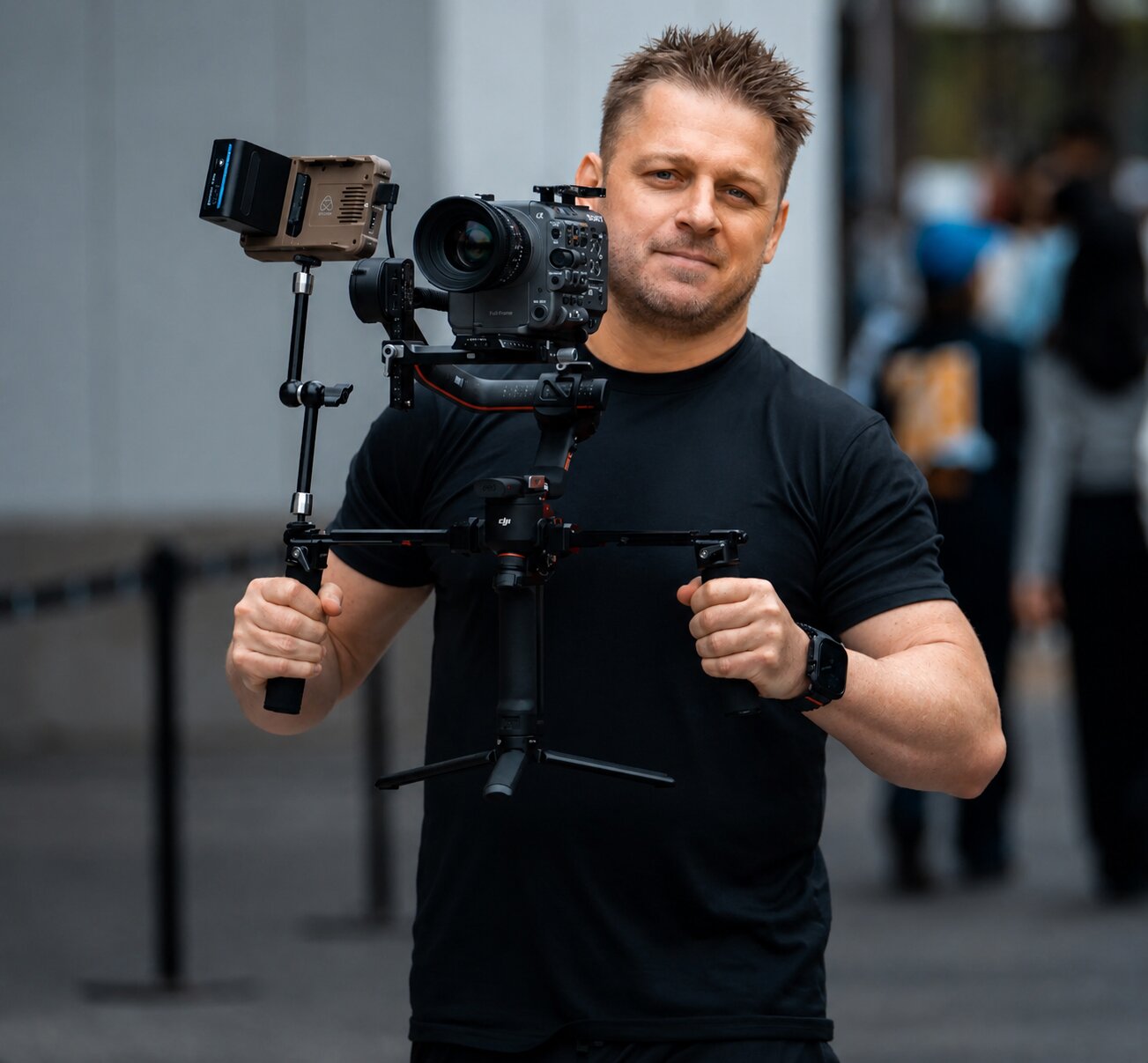
Tokyo, Japan — On location
Rionne
McAvoy
01 Documentary Filmmaker
02 Rionne Fujiwara — Pro Wrestler
Rionne McAvoy has spent close to two decades in Japan telling stories the country would rather leave off camera — the poverty behind its single mothers, the silence behind its rising youth suicide rate. His documentary work, made under the banner The Ones Left Behind, has screened at festivals across Japan and internationally, and been commissioned by outlets including BBC StoryWorks.
Off camera, he's spent over a decade in the professional wrestling ring under the name Rionne Fujiwara — a name earned, not chosen, in honor of catch-wrestling legend Yoshiaki Fujiwara. He holds a 4th dan black belt in Aikido and trains in catch-as-catch-can, the discipline underpinning both his in-ring style and, in no small way, his patience behind the lens.
Character-driven documentary work on the people modern Japan overlooks — told from the inside, in fluent Japanese, over years, not weeks.
Watch the work on Vimeo →
Years embedded with women navigating poverty, stigma, and a welfare system built to discourage them from asking for help — the debut feature in the series went on to earn 41 official festival selections and 17 awards worldwide, and a selection by Japan's Ministry of Education, Culture, Sports, Science and Technology (MEXT).
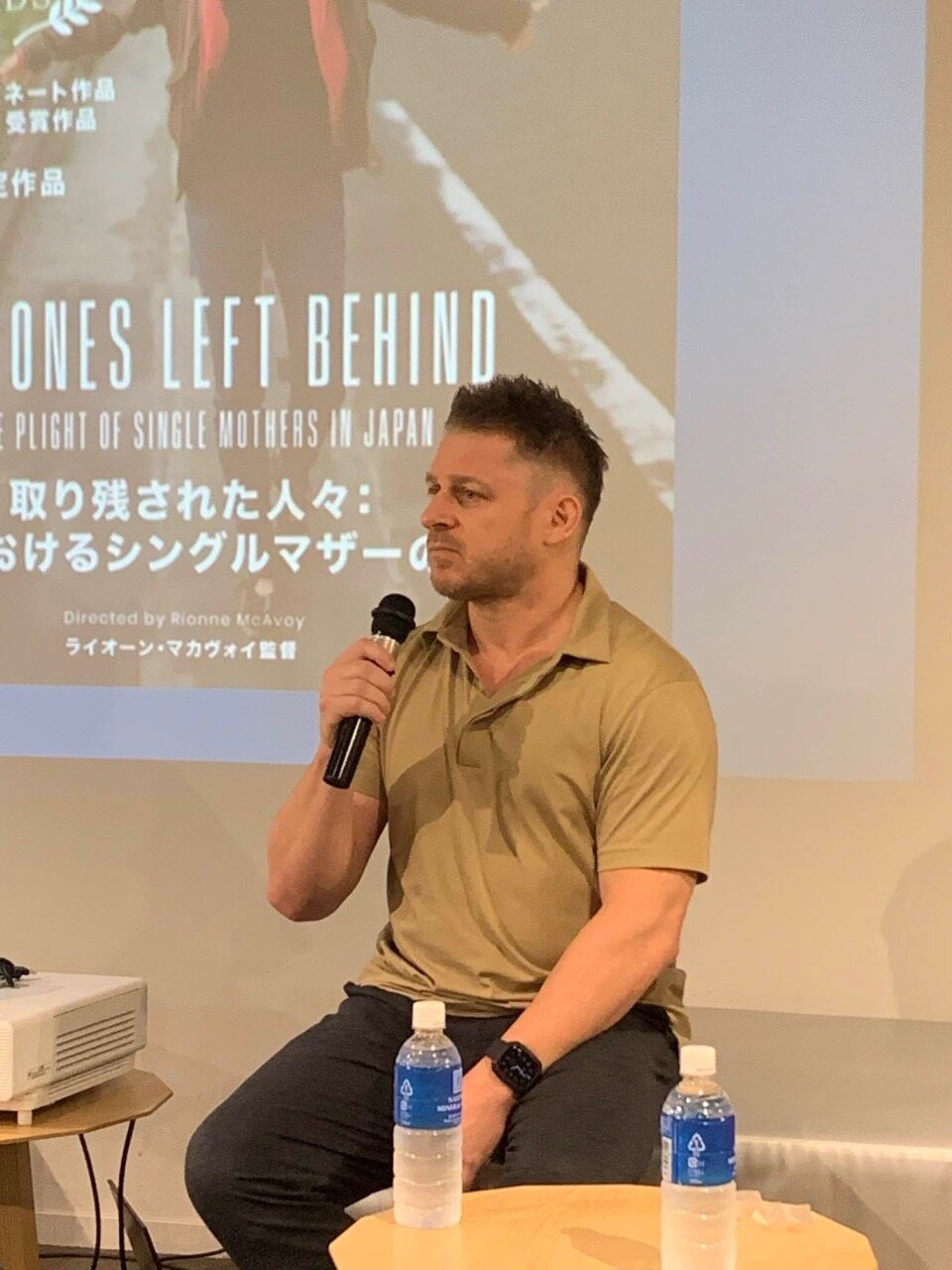
When Tomorrow Never Comes, the second film in The Ones Left Behind documentary series, examines Japan's growing crisis of youth suicide and asks a difficult question: why are so many children reaching a point where they feel they no longer want to live? Through the voices of young people, bereaved families, educators, psychologists, lawyers, support organisations and policymakers, the film looks beyond simple explanations such as bullying or academic pressure. It explores the wider environment surrounding children, including family relationships, school culture, social isolation, mental health, social media, school refusal and the pressure to conform, while also examining how attitudes toward children and education have evolved across generations.
Rather than searching for a single cause or an easy solution, the documentary focuses on what children themselves are trying to tell us. It reveals the gap between how adults understand youth suicide and how young people experience their own pain, asking whether society is truly listening before a child reaches a crisis. Ultimately, When Tomorrow Never Comes is not only a film about suicide. It is about what it means for a child to feel that there is nowhere left to belong, and what families, schools, communities and society can do to make life feel possible again.


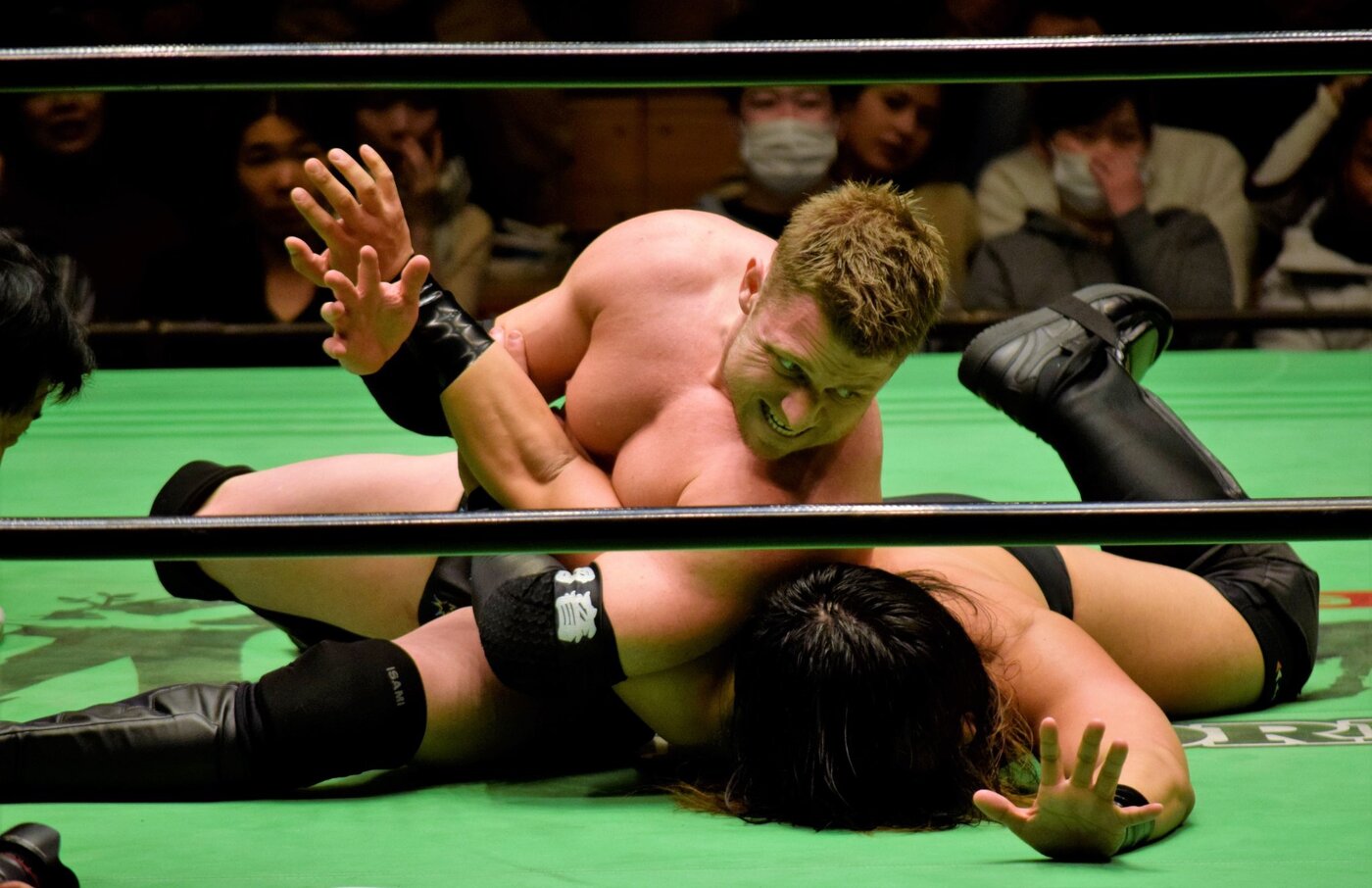
Rionne made his professional wrestling debut in 2013, training at the Wrestling New Classic dojo under former WWE star Yoshihiro Tajiri and former New Japan Pro-Wrestling standout Akira Nogami. A match against catch-wrestling legend Yoshiaki Fujiwara left him with a new ring name: Rionne Fujiwara.
He later moved with Tajiri and Nogami to compete for Keiji Mutoh's Wrestle-1 as part of the Novus stable, and has since appeared for All Japan Pro Wrestling and Pro Wrestling NOAH, alongside a steady run on Japan's independent scene.
Alongside his in-ring career, Rionne has spent more than 13 years training in catch wrestling at Snake Pit Tokyo, carrying on a tradition of Japanese shoot and submission wrestling that heavily shapes his approach in the ring.
More than a decade after his debut, Rionne remains an active professional wrestler while also working as a documentary filmmaker. Wrestling and filmmaking occupy very different worlds — but both have become defining parts of a career built almost entirely in Japan.

A running Substack on life in Japan — culture, society, and the stories that don't make the headlines, for people who want more than the postcard version.
Read the Substack →